Fractile designs custom silicon to tackle the AI memory bottleneck
London startup Fractile is building hardware processors that physically interleave memory and compute to accelerate frontier AI model inference.
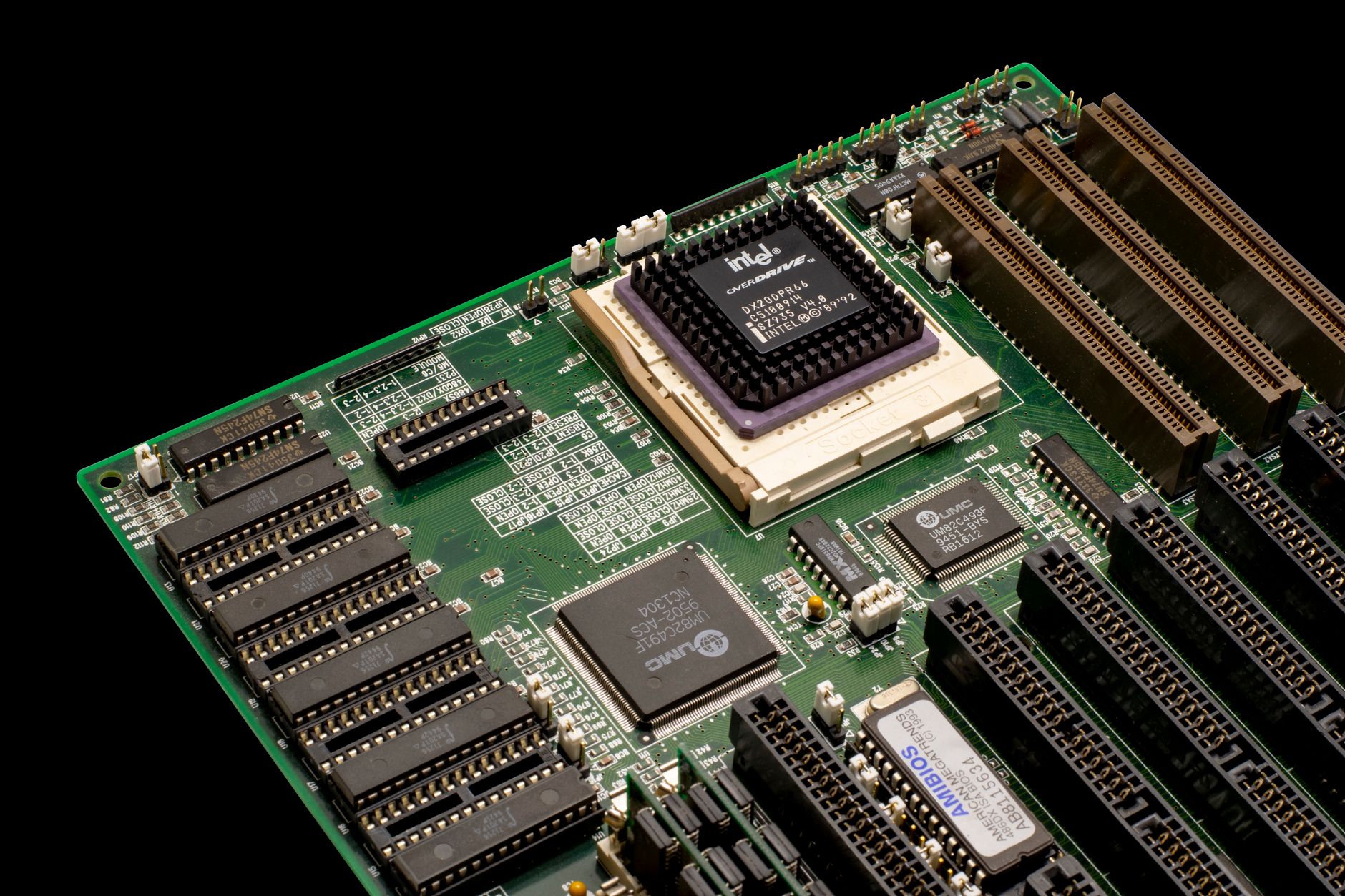
As artificial intelligence models grow increasingly complex, the global demand for processing text and data tokens is expanding by more than ten times each year. The silicon hardware currently powering these frontier systems routinely struggles under the twin demands of high user throughput and low response latency. Because conventional chip architectures keep memory storage separate from processing cores, data must constantly shuttle back and forth across physical buses. London-based technology startup Fractile was founded in 2022 to overcome this structural bottleneck directly at the hardware level.
The company was established by Walter Goodwin, a doctorate graduate from the University of Oxford Robotics Institute, together with co-founder Yuhang Song. Goodwin previously gained experience across artificial intelligence research, robotics, and venture capital before turning his attention to hardware design. He recognised that conventional graphics processing units were never originally engineered for the unique workload demands of modern AI inference. Fractile began operating to create dedicated chips capable of serving thousands of tokens per second to thousands of concurrent users.
Fractile achieves its performance gains by physically interleaving memory and compute directly inside its hardware processors. This integrated approach removes the severe latency penalties typical of traditional chip arrangements, allowing data to be processed right where it is stored. The resulting architecture enables frontier models to run up to twenty-five times faster while reducing operational costs to one-tenth of standard figures. In practical terms, output rates can jump from approximately forty tokens per second to twelve hundred tokens per second without exceeding power limits.
Removing the memory bottleneck opens broad new possibilities for software capabilities that were previously considered impractical. Massively longer context windows allow artificial intelligence models to tackle complex, multi-step autonomous tasks such as software development and scientific research. Workloads that previously required human teams days to execute can now be compressed into minutes of deep model reasoning time. To bring these processors to market, Fractile has built a full-stack engineering team spanning circuit design, developer tooling, and server logic.
The startup has established operating bases in London, Bristol, the United States, and Taiwan to support its chip release pipeline. After initially securing fifteen million dollars in seed funding from Kindred Capital and the NATO Innovation Fund, Fractile raised a two hundred and twenty million dollar Series B round. That funding was led by Factorial Funds, Accel, and Founders Fund, alongside participants including Conviction, Gigascale, Felicis, Buckley Ventures, 8VC, and O1A.
With its new capital, Fractile is launching its first chips and inference server systems directly to enterprise customers worldwide. The team is showcasing its core technology at Slush 2026, demonstrating how interleaved memory architecture can support the next generation of AI reasoning models. By bridging the physical gap between memory access and raw computation, Fractile aims to build the foundational engine for scalable model inference.
Find out more at fractile.ai
 The Future FrontBe on the cover.Twice a month we put the people shaping what's next on our cover.Apply for the cover