Factory Floor Reality Trumps the Viral Robot Demo
Venture capital is abandoning flashy humanoid demos to fund rugged, software-driven robots that actually work on the assembly line.
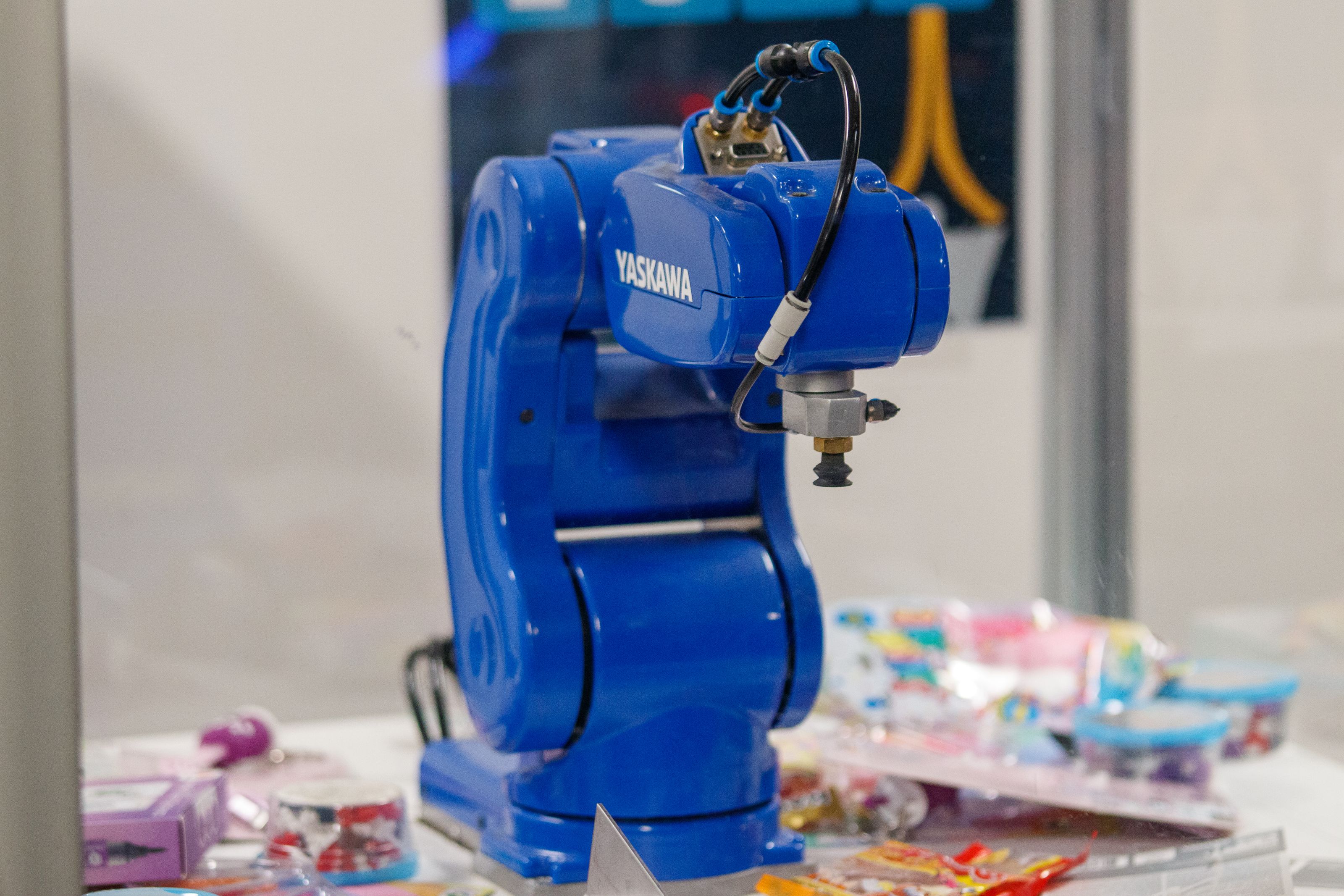
The era of raising venture capital off a polished humanoid robot video is officially over. At National Robotics Week 2026 in Boston, the message from industry leaders was clear: physical AI must now prove its value through actual deployment and measurable factory-floor revenue. Generalist prototypes are losing traction as investors demand rigorous integration capabilities and long-term hardware reliability in industrial settings. Startups are finding that the transition from a controlled lab environment to a chaotic assembly line requires a complete shift in engineering priorities.
For the last three years, the robotics sector rode a massive wave of hype fueled by generative AI breakthroughs and impressive computer vision models. However, the capital-intensive nature of hardware development has caught up with the market, forcing a rigorous consolidation phase. Andy Lonsberry, CEO of Path Robotics, summarized this shift by noting that demo videos no longer move capital in today's environment. The industry is rapidly transitioning from flashy proofs of concept to what experts call applied physical AI.
This shift toward pragmatism is driving major ecosystem shifts, including the AWS and NVIDIA physical AI fellowship programs designed to translate complex AI research into practical applications. In parallel, automation giants like Universal Robots are partnering with developers to embed real-time perception directly into existing industrial arms. This software-first approach allows traditional hardware to adapt dynamically to changing environments without requiring bespoke mechanical redesigns. Recent data from active manufacturing deployments reveals that these software-driven retrofits are yielding immediate productivity gains rather than multi-year integration bottlenecks.
For founders and venture capitalists, this consolidation marks a healthy maturation of the robotics market. Companies that built their valuations on viral clips of robots folding laundry or making coffee are facing down rounds or quiet acquisitions. The capital is instead flowing toward specialized, single-purpose automation providers that address specific bottlenecks like welding, sorting, and precision assembly. Ultimately, the winners of this cycle will be determined by software robustness and fleet uptime rather than mechanical aesthetics.
Over the next twelve months, expect a wave of consolidation as struggling hardware startups are absorbed by legacy industrial conglomerates hungry for proprietary AI stacks. Software-driven physical AI will transition from a buzzword to a standard operational requirement across mid-sized manufacturing plants. The startups that survive this funding winter will be those that prioritize unit economics and customer integration times over laboratory benchmarks. By this time next year, the defining metric of a robotics startup will not be its YouTube view count, but its average hours of autonomous operation.
 The Future FrontBe on the cover.Twice a month we put the people shaping what's next on our cover.Apply for the cover




