FAA Grounding Shows Hidden Risk for Infrastructure AI
A four-hour FAA ground stop showed why deploying AI into critical physical infrastructure comes with instant regulatory and political backlash.
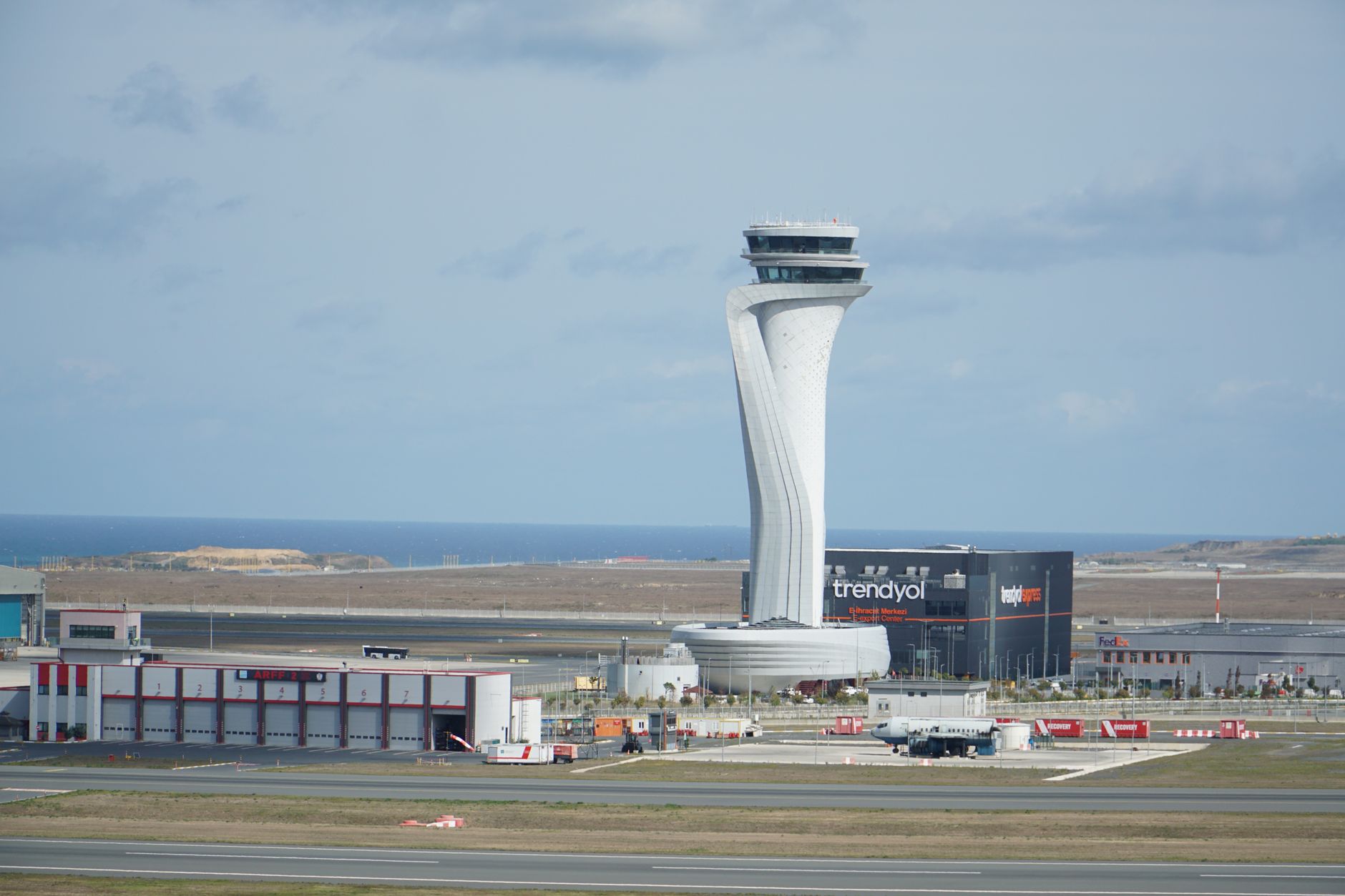
The Federal Aviation Administration ordered a nationwide ground stop for all departing flights on November 13, 2026, just three days after expanding an artificial intelligence system called SMART across all 22 air route traffic control centers. According to reporting from The Washington Times and AVweb, Transportation Secretary Sean Duffy confirmed that the AI system, designed to suggest optimal flight routes and manage airspace trajectory, was not connected to core flight management systems and did not cause the four-hour outage. Instead, officials attributed the systemic disruption to overloaded switches and routers in the agency's aging analog network infrastructure while more than 3,500 aircraft were airborne. Even so, the immediate correlation drawn between the AI rollout and the outage triggered intense public scrutiny regarding software reliability in air transit. The episode highlights the hyper-vigilance founders face when integrating automated software into critical public infrastructure.
The SMART system, short for Strategic Management of Airspace, Routes and Trajectories, represents an effort by federal authorities to modernize flight routing through machine intelligence. The deployment aimed to shift routine trajectory calculations away from human controllers toward algorithmically generated recommendations, freeing human staff to focus on primary safety decisions. However, placing predictive autonomous software alongside fragile legacy infrastructure creates complex operational dependencies that are difficult to isolate during real-time system failures. When a national ground stop halts commercial aviation, public tolerance for technical nuance vanishes, and complex architectural distinctions between advisory AI and core control networks lose clarity. For technology companies building tools for regulated sectors, the incident serves as a clear warning about operational perception during rollouts.
Data from aviation authorities shows that during the four-hour ground stop, air traffic controllers managed emergency exceptions for medical flights, law enforcement operations, and critical cargo shipments while prioritizing charter flights carrying up to 100 passengers over smaller planes. The outage revealed how vulnerable modern transit networks remain to legacy hardware bottlenecks, even as digital optimization layers are added to the top of the stack. Federal investigators quickly cleared the SMART system after confirming it ran independently of the primary STARS and ERAM traffic management platforms. Yet the incident underscores the vulnerability of deploying cutting-edge recommendation algorithms on top of hardware built decades ago. Technology vendors selling to government agencies must recognize that legacy hardware failures will inevitably drag high-profile AI software into regulatory hearings.
For enterprise founders and venture investors, the episode reshapes the risk landscape for physical AI deployments across energy grids, water systems, and transportation networks. Regulators are moving toward stricter auditing requirements, demanding clear physical separation and verifiable isolation protocols between non-deterministic AI models and mission-critical hardware switches. Underwriters in technology insurance are taking notice as well, preparing to raise premiums for startups selling software into public utilities unless clear safety cutoffs can be proved under heavy stress. Venture capital firms funding physical automation must now budget for longer compliance lifecycles and exhaustive simulation testing before live field deployment. The financial penalty for operational disruption in public infrastructure far outweighs the marginal gains of early software feature rollouts.
Over the next twelve months, federal agencies will mandate rigorous sandbox testing and third-party verification for any algorithmic system deployed near essential public operations. Government procurement officers will require hardware modernizations as a strict prerequisite before software vendors can enable real-time advisory features across regional control nodes. AI founders targeting civic infrastructure will need to spend as much engineering capital proving system isolation as they do improving model precision. As legacy networks undergo hardware retrofits, startups that offer deterministic safety guarantees alongside predictive intelligence will win the largest government contracts. The era of rapid software deployment into shared physical networks has officially given way to audited, fail-safe infrastructure development.
 The Future FrontBe on the cover.Twice a month we put the people shaping what's next on our cover.Apply for the cover