Clean Energy's Record Year Doesn't Need D.C.
ACORE's mid-year analysis shows clean energy investment hitting record highs in 2026, even as U.S. policy retreats. The gap between narrative and reality is where the opportunity lives.
Clean energy investment is on track to hit a record high in 2026, and the policy environment has almost nothing to do with it. ACORE's mid-year analysis, produced in partnership with S&P Global, documents a market that accelerated through the end of 2025 and carried that momentum into the new year, driven by surging electricity demand, tax credit incentives, and developers racing to beat start-of-work deadlines. The headline story about policy retreat is real. The conclusion that it is killing the industry is not.
The structural divergence ACORE identifies is the most important signal in this report. Capital markets remain broadly supportive of clean energy projects, with existing platforms embracing consolidation and clean-firm innovators moving toward public market listings. This is not a sector in distress. It is a sector repricing risk and finding new entry points while the political noise runs its course. For investors trying to separate durable trends from short-term volatility, that distinction is worth more than any single policy outcome.
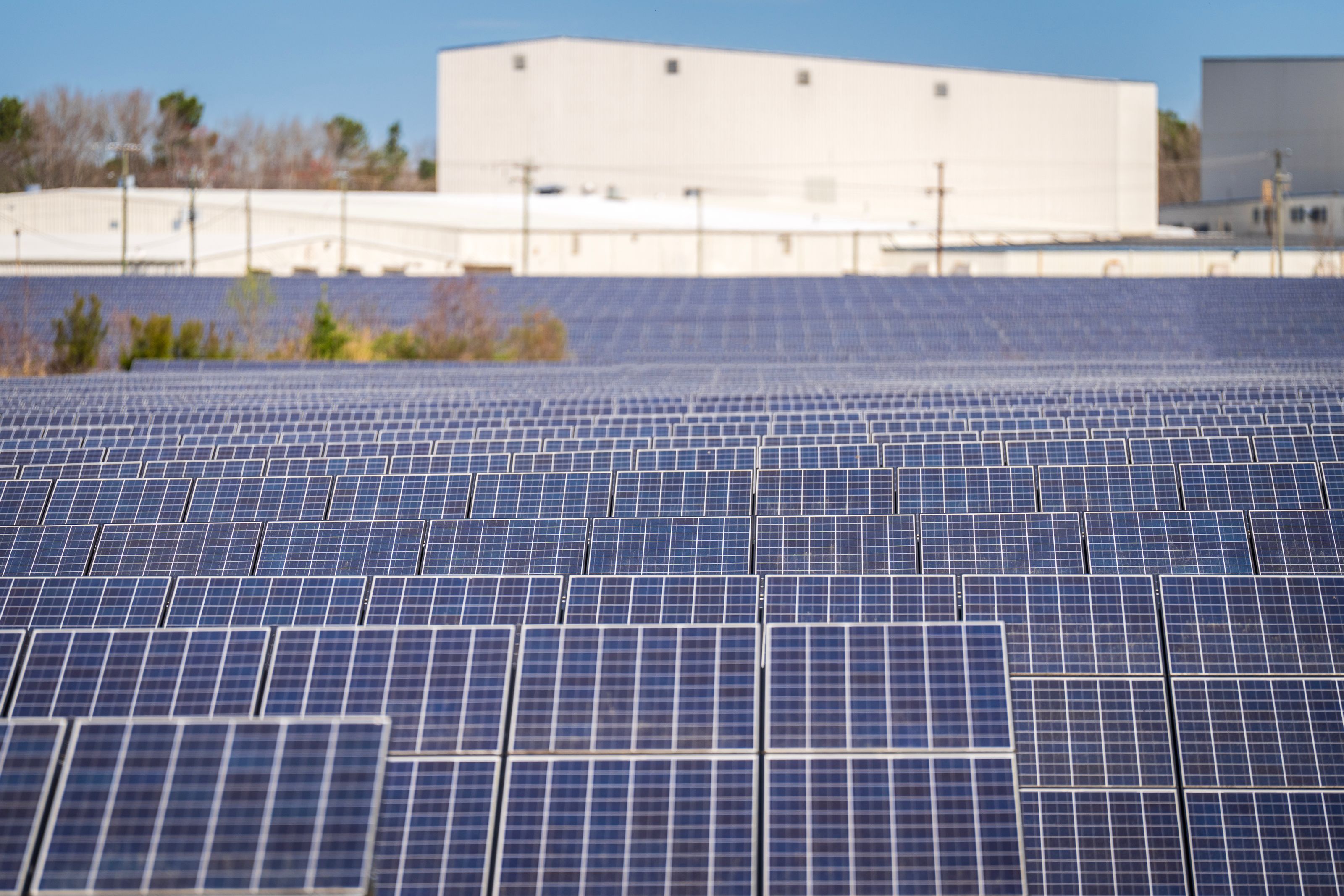
The deployment data reinforces the investment picture. Clean energy dominated U.S. grid capacity additions in Q1 2026, with utility-scale solar and energy storage leading the build-out. Power demand expectations continue to accelerate, giving developers a demand-side tailwind that exists entirely independent of Washington. As ACORE notes, the market surged at the end of 2025 and investment in clean energy projects is continuing to climb, a pattern that reflects long-term infrastructure logic more than political confidence.
For founders sizing markets mid-year, this report functions as a real-time benchmark from one of the most credible clean energy trade bodies in the United States. The message is that grid modernization, energy storage, and utility-scale solar are not speculative bets contingent on favorable legislation. They are infrastructure plays anchored to rising electricity demand, existing tax credits, and a grid that was already under strain before AI data centers started doubling load forecasts. The business fundamentals have quietly outrun the political narrative.
The next twelve months will test whether momentum compounds or flattens. ACORE flags that future investor interest may soften if policy uncertainty persists, which means the window for deploying capital at current risk-adjusted terms is narrower than it looks. Developers who locked in start-of-work deadlines are building. The question is who funds the next wave once that pipeline clears. Founders and investors who used 2026's negative headlines as cover to build positions quietly may find themselves very well placed heading into 2027.
 The Future FrontBe on the cover.Twice a month we put the people shaping what's next on our cover.Apply for the cover