Clean Energy Hit $2.3T in 2025. Politics Can't Stop It
BloombergNEF's 2030 roadmap shows clean energy capital accelerating despite policy chaos, and the data tells founders exactly where to place their bets.
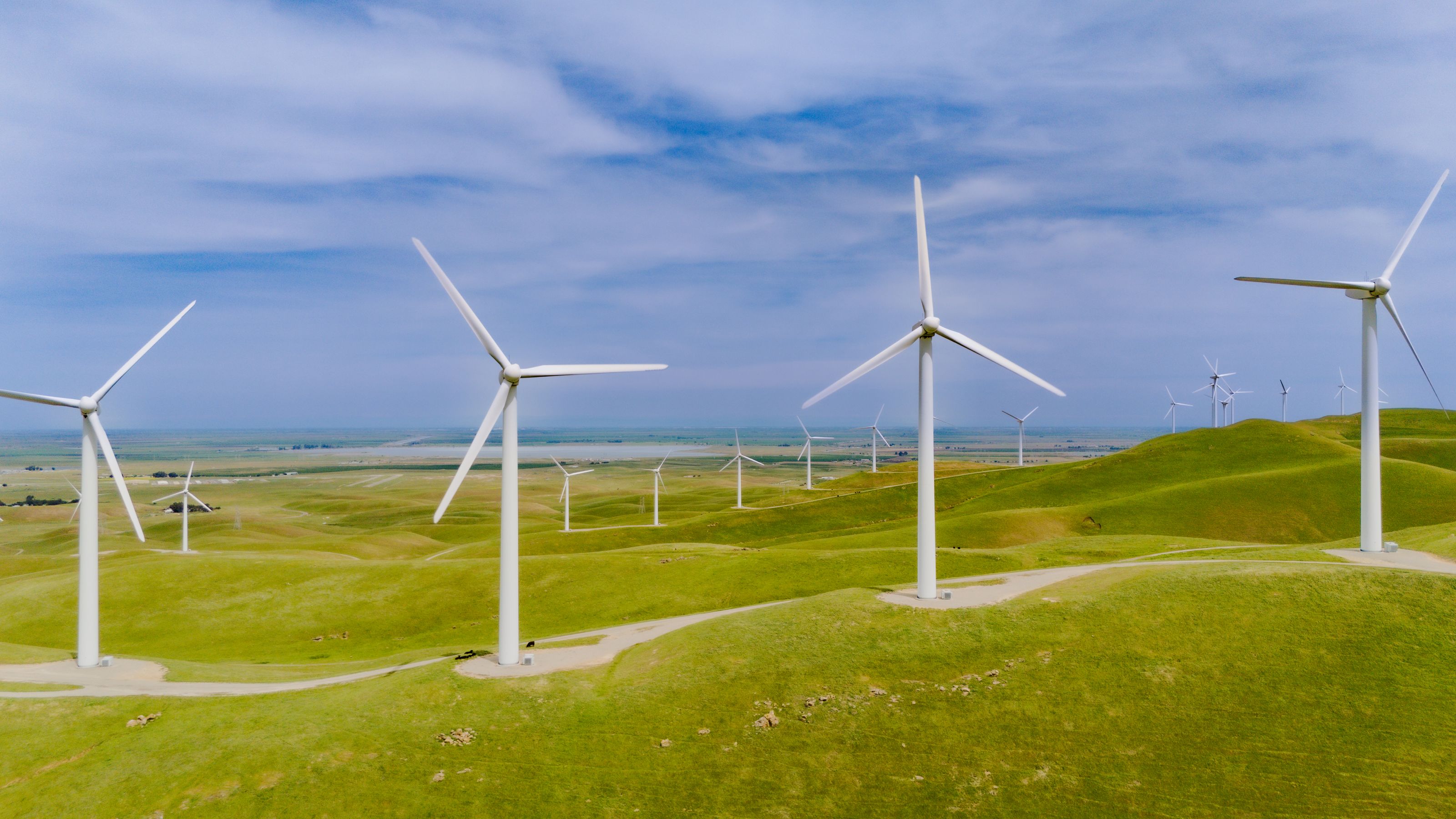
Global clean energy investment hit $2.3 trillion in 2025, up 8% from the year before, and the number almost undersells the story. BloombergNEF's latest roadmap to 2030 makes a careful but confident case: the energy transition is structurally self-sustaining now, no longer dependent on any single government's policy agenda. That distinction matters enormously for anyone deploying capital across a multi-year horizon. The question is no longer whether the transition continues. It is where and how fast.
The report lands at a moment of genuine geopolitical noise. U.S. federal climate policy has been rolled back, Europe is navigating industrial competitiveness anxiety, and emerging markets are caught between energy security and decarbonisation pressures. BloombergNEF's value here is methodological. Its forecasts are built from bottom-up research across hundreds of thousands of individual deals and projects, aggregated consumer data, and terminal-level financial flows. That is not directional commentary. It is a stress-tested map of where capital is actually moving, not where commentators wish it would.
Three technology verticals stand out as structurally durable through 2030: battery storage, grid infrastructure, and clean hydrogen. The hydrogen numbers alone signal the scale of ambition versus reality in this market. BloombergNEF projects annual low-carbon hydrogen supply growing 30-fold by 2030, to 16.4 million tonnes from roughly 0.5 million tonnes today. That implies a 76% compound annual growth rate. Yet even that trajectory falls well short of stated government targets, with national programmes and the EU collectively aiming for 34.2 million tonnes per year. The gap between policy ambition and funded project reality is where founders with sharp execution can build durable businesses.
For investors, the report provides something rare: a framework for stress-testing portfolios against divergent regulatory regimes rather than a single policy scenario. Clean energy markets are fragmenting by region, and that fragmentation is now a feature, not a bug. Companies that can operate across multiple regulatory environments, or that serve infrastructure needs common to all of them, carry a structural advantage. The competitive dynamics BloombergNEF highlights suggest that resilience in this cycle belongs to businesses with diverse geographic exposure and technology stacks that are not subsidy-dependent at the unit economics level.
The next twelve months will sharpen several of these bets considerably. U.S. midterm political positioning will clarify how much of the Inflation Reduction Act's clean energy incentive architecture survives in practice, while the EU's industrial policy response to Chinese clean tech competition is moving toward concrete legislation. In parallel, storage and grid technology deployment timelines are compressing as procurement scales. Founders raising rounds today are effectively pricing those variables into their 2028 and 2029 revenue models. BloombergNEF's data suggests the underlying demand curve is durable enough to absorb the turbulence. Whether individual businesses are built to ride it is a different question entirely.
 The Future FrontBe on the cover.Twice a month we put the people shaping what's next on our cover.Apply for the cover




