CES 2026: Robotics Stops Demoing and Starts Shipping
CES 2026 wasn't about flashy demos. It was the moment AI-powered robotics quietly became a procurement decision.
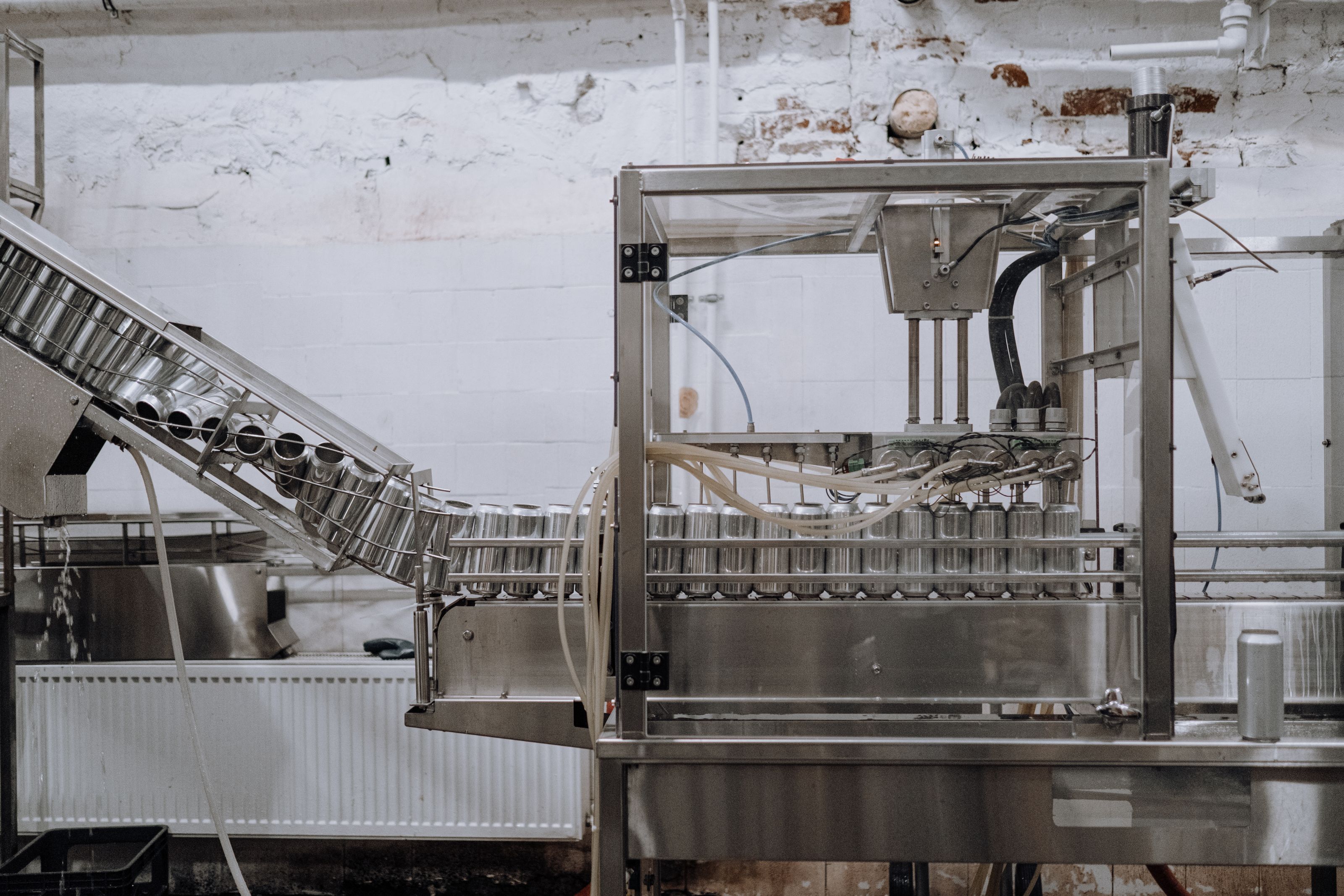
CES has spent a decade promising that robots are almost ready. In January 2026, multiple companies skipped the promise entirely and showed up with purchase orders. Across the show floor, humanoid robots, edge AI hardware, and enterprise automation platforms were presented not as concept studies but as systems already operating inside factories, warehouses, and commercial facilities. The shift was unmistakable, and for founders and investors still treating robotics as a five-year bet, the timeline just got uncomfortably short.
The convergence driving this moment is not a single breakthrough. It is the co-evolution of AI models and physical hardware moving fast enough to compress the traditional lab-to-deployment cycle. NVIDIA's Isaac GR00T N1, showcased at CES, is a multimodal reasoning model built specifically for humanoid robots, trained in realistic simulated environments and designed to support reinforcement learning at scale. That kind of purpose-built AI infrastructure signals that the toolchain for commercial robotics is maturing, not just the robots themselves.
On the hardware side, Qualcomm expanded its industrial edge portfolio with new processor families targeting AI deployment across cameras, gateways, and enterprise endpoints. Hailo demonstrated edge AI acceleration moving explicitly from pilots to broader rollout, with local vision processing that removes cloud dependency from time-sensitive operations. These are not moonshot announcements. They are supply chain decisions being made by procurement teams, which is a categorically different signal than a keynote demo.
The competitive implications are significant. When the industry was in the proof-of-concept phase, novelty won attention and funding. Now that deployments are live, the differentiation that actually matters is integration depth and operational reliability. A humanoid robot that works impressively in a controlled demo but requires six months of site-specific tuning is no longer competitive. Founders building in this space need to stop optimizing for showcase moments and start obsessing over uptime, interoperability, and total cost of deployment.
The next twelve months will separate the platforms from the pilots. Investors who moved early on robotics software infrastructure, particularly those backing companies with existing enterprise contracts and repeatable deployment playbooks, are positioned well. Those still funding hardware novelty without a clear path to operational scale face a reckoning as enterprise buyers grow more sophisticated and less tolerant of long integration timelines. CES 2026 did not predict this shift. It confirmed it was already happening.
 The Future FrontBe on the cover.Twice a month we put the people shaping what's next on our cover.Apply for the cover