BTRY develops ultra-thin solid-state batteries for microelectronics
Swiss startup BTRY is manufacturing ultra-thin solid-state batteries that charge in one minute and withstand extreme heat for MedTech and IoT devices.
Everyday electronics, industrial sensors, and medical devices are shrinking rapidly, yet standard lithium-ion batteries remain bulky, slow to charge, and chemically sensitive. When hardware engineers attempt to design ultra-thin devices, battery dimensions and thermal limits often become the primary physical bottleneck. Swiss deep-tech startup BTRY was founded to remove these design constraints. Spun off from research institutions Empa and ETH Zurich by Moritz Futscher and Abdessalem Aribia, the company develops paper-thin solid-state batteries tailored specifically for advanced microelectronics.
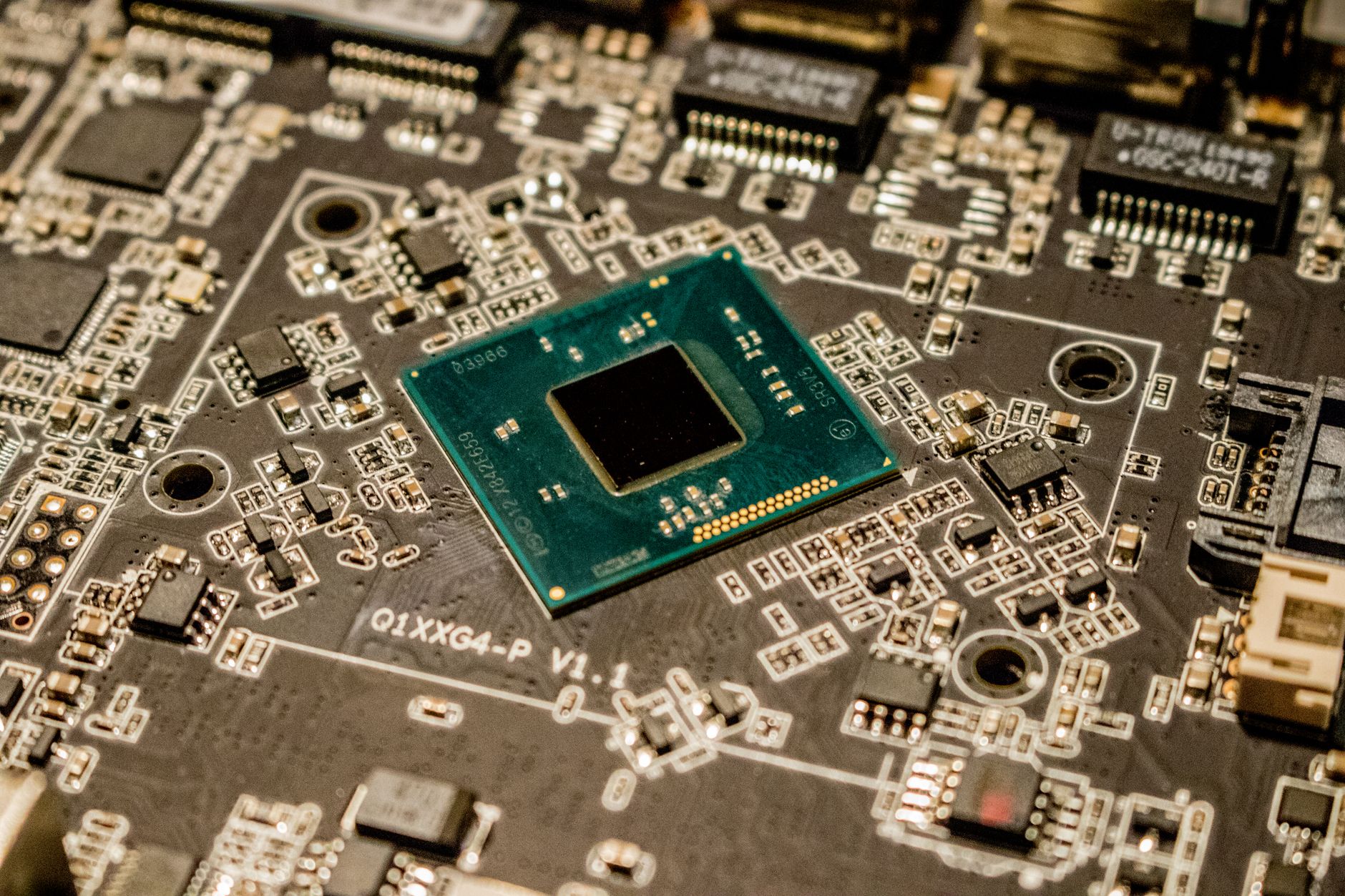
The foundation of BTRY's innovation relies on solid-state battery architecture manufactured with established semiconductor equipment. By adapting high-precision thin-film coating processes directly from chip manufacturing, the engineering team fabricates dense energy storage layers with exceptional consistency. Their completed battery cells measure just 0.1 millimetres thick while dispensing entirely with volatile liquid electrolytes. This solid-state design eliminates the risk of leakage or thermal runaway, delivering intrinsic operational safety alongside remarkable spatial flexibility for miniature hardware.
Performance testing highlights how distinct this solid-state technology is from traditional chemical cells. The micro-batteries can charge and discharge completely in just one minute, providing high power density on demand. They are also built to endure extreme environmental conditions, operating reliably in ambient heat reaching up to 150 degrees Celsius. These physical properties allow system designers to install energy storage directly alongside heat-generating computer processors or within hermetically sealed enclosures where ventilation is impossible.
Target application areas span medical technology, connected internet of things sensors, and premium consumer electronics. In healthcare, thin and flexible battery form factors allow for unobtrusive wearable health monitors, smart patches, and diagnostic tools that remain safe against human skin. For connected IoT devices, rapid charging and extreme temperature tolerance enable remote sensors to operate reliably inside demanding industrial plants. Furthermore, BTRY has partnered with InsightSilica to build specialised solid-state energy storage for semiconductor production equipment.
To progress from laboratory prototypes to commercial production, BTRY raised CHF 900,000 in pre-seed funding and secured a EUR 2.2 million grant from the EIC Accelerator. The company has since launched its seed fundraising round to fund market-ready product lines and scale up manufacturing capacity. Collecting early customer feedback on pilot manufacturing lines remains central to their strategy, ensuring every cell is iteratively tuned to meet strict client requirements. These investments reflect growing market interest in specialised energy solutions beyond standard electric vehicle cells.
As global demand grows for high-performance energy storage across specialised electronics markets, BTRY is showcasing its solid-state technology on international stages, including Slush 2026 and Electronica. By applying scalable semiconductor manufacturing tools to clean energy storage, the Zurich-based team offers a practical route to high-yield micro-battery production. Their ultra-thin cells enable hardware makers to completely rethink product architecture, unlocking new possibilities for intelligent, connected devices across healthcare, consumer tech, and industrial logistics.
Find out more at btry.ch
 The Future FrontBe on the cover.Twice a month we put the people shaping what's next on our cover.Apply for the cover