AMD's Retro CPU Bet Has a Green Side Nobody Talks About
AMD's plan to resurrect older chip architectures isn't just about RAM costs. It's a quiet blueprint for sustainable silicon that the industry has been too distracted to notice.
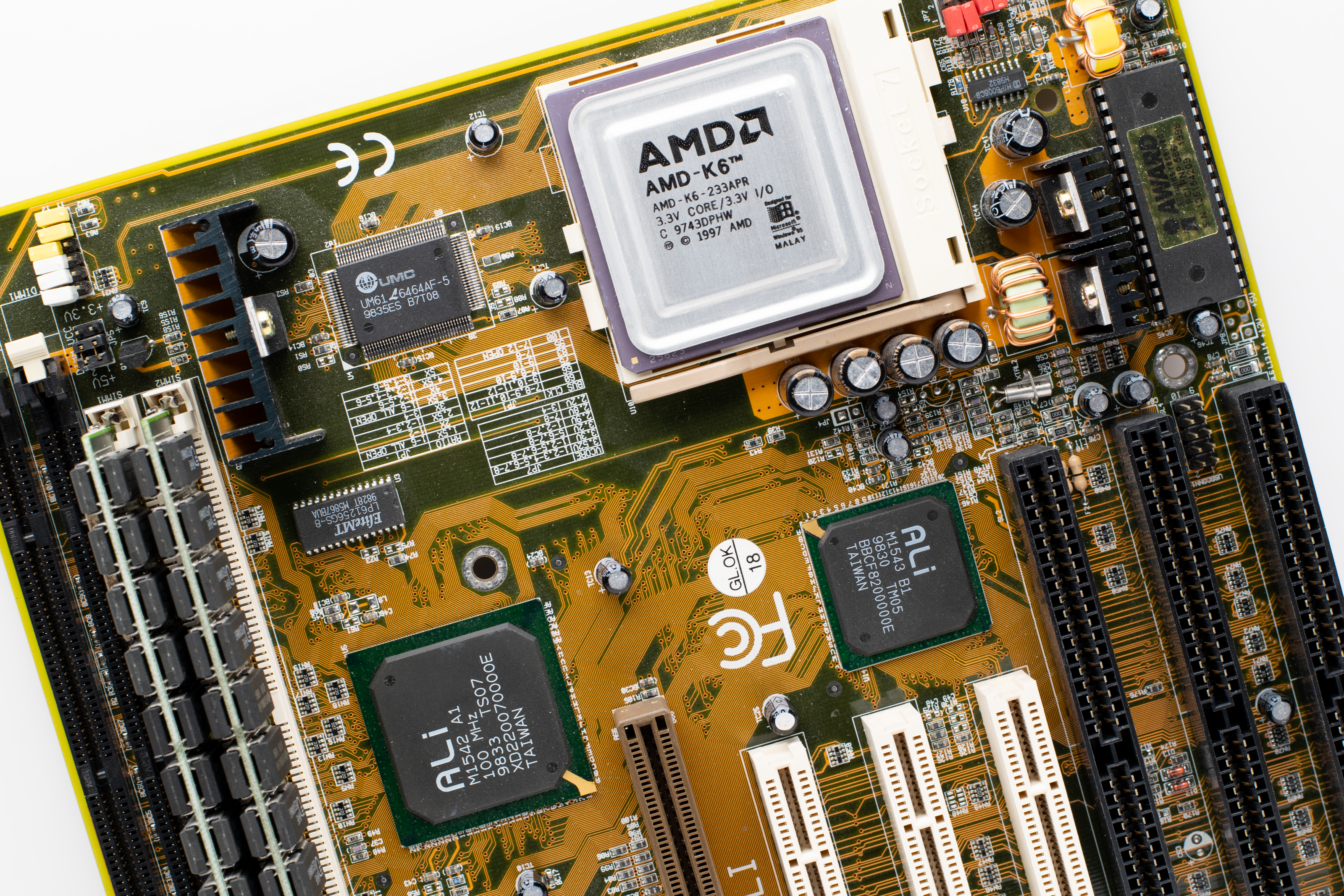
RAM prices are strangling the PC market and AMD thinks the answer is looking backwards. The company is actively exploring the revival of older CPU architectures, extending support for legacy AM4 platforms and DDR4 memory well into 2026, as AI-driven memory demand keeps pricing painfully elevated. A 32GB DDR5 kit was still fetching $261 in January 2026, with only marginal relief in sight. The financial logic is straightforward: mature platforms are cheaper to buy and easier to supply. But the more interesting story is the one AMD's press releases haven't led with, which is what reviving old chip designs actually does to the planet.
The semiconductor industry's environmental footprint is almost entirely concentrated at the fabrication stage. Cutting-edge fabs running at 3nm or 2nm nodes demand extraordinary volumes of ultrapure water, exotic chemicals, and energy to hold the tolerances that advanced lithography requires. Mature nodes, by contrast, run on infrastructure that is already fully amortised, physically optimised over decades, and dramatically less resource-intensive per wafer. When AMD leans on proven architectures instead of spinning up new silicon, it sidesteps a significant portion of that environmental cost. This is not a marginal efficiency gain. It is a structural one.
AMD's own environmental sustainability roadmap outlines ambitious energy reduction targets by 2026, and the broader compute landscape makes clear why efficiency metrics are becoming existential. According to arXiv research on energy-aware computing in 2026, next-generation accelerators like the AMD MI400X are drawing up to 1,600 watts per unit, with the NVIDIA B300 Ultra hitting 1,400 watts, figures that make data centre power budgets a board-level problem. Against that backdrop, a strategy that keeps functional, lower-power silicon in circulation rather than manufacturing replacements at the bleeding edge starts to look less like nostalgia and more like rational resource allocation. The industry has a word for this kind of thinking in other sectors: circular economy. In semiconductors, nobody has bothered to coin the equivalent term yet.
For founders building hardware-dependent products and investors underwriting data centre infrastructure, the implications deserve more than a footnote. A precedent of what might reasonably be called circular silicon, designing products around proven nodes and extending platform lifecycles rather than chasing generational upgrades on a fixed cadence, compresses both capital expenditure and carbon liability. It also changes supplier dynamics: mature node capacity is widely distributed across foundries globally, reducing the geopolitical concentration risk that haunts leading-edge production. Companies that build procurement strategies around this thinking now are quietly hedging against two distinct categories of future cost, energy regulation and supply chain volatility, at the same time.
The next twelve months will test whether AMD's positioning is a genuine strategic pivot or a temporary play to ride out a memory pricing cycle. If RAM costs begin normalising as DDR5 supply expands, the pressure to maintain legacy platform support will ease and the sustainability argument could fade back into the background. But if energy costs and environmental reporting requirements tighten across major markets, which the trajectory of EU and US climate policy strongly suggests they will, the circular silicon case becomes structurally compelling regardless of DRAM spot prices. The more durable bet is that AMD has stumbled into a reframing that the industry will eventually be forced to adopt. The company that formalises this logic first, turning lifecycle extension from a cost measure into a product strategy, will have a real and rare edge in the next wave of infrastructure procurement.
 The Future FrontBe on the cover.Twice a month we put the people shaping what's next on our cover.Apply for the cover




