Agibot dominates the global humanoid robot race
China's Agibot shipped thousands of humanoid units in early 2026, proving the hardware race has shifted from prototype to massive industrial scale.
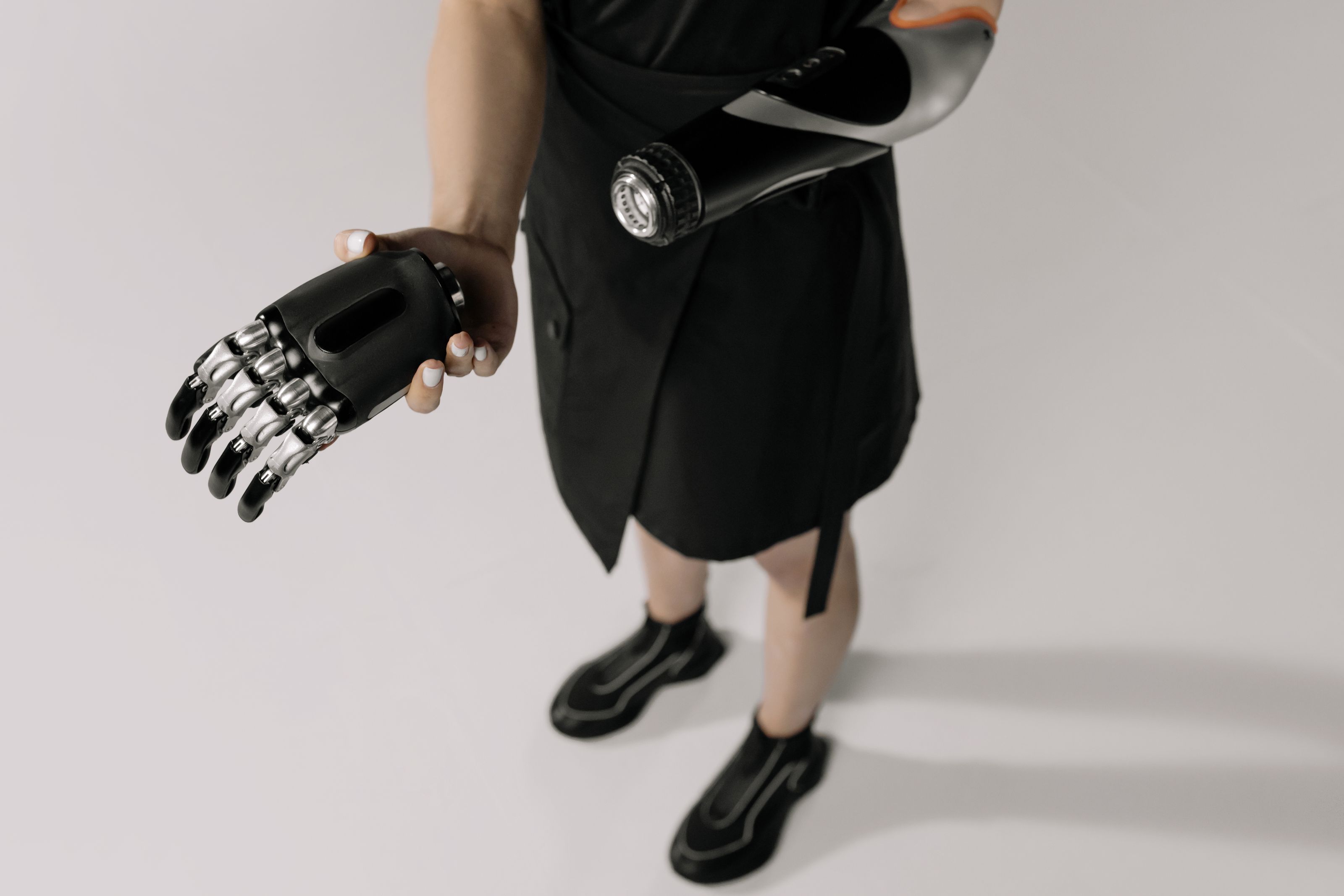
The theoretical debate over when humanoid robots will enter the workforce is officially over. Newly released market intelligence shows that global humanoid robot shipments approached 25,000 units in the first half of 2026, representing a massive 432 percent increase year on year. At the front of this surge is Chinese robotics pioneer Agibot, which secured a dominant 43 percent of the global market by shipping more than 8,600 units. These figures prove that the segment has bypassed the pilot phase to enter rapid, high-volume industrial deployment.
This sudden commercial scaling reflects a fundamental shift in how hardware startups approach production. While Western competitors have spent years refining highly complex, expensive prototypes in laboratory settings, Chinese firms are leveraging their unmatched supply chain ecosystems to scale rapidly. Agibot and its domestic peers like Unitree are treating humanoids not as precious research projects, but as consumer electronics with limbs. By prioritizing manufacturing speed and component integration, they have managed to drive down unit costs far faster than industry analysts anticipated.
The physical destination of these thousands of shipped units confirms where the immediate economic value lies. The majority of Agibot's H1 2026 deliveries are destined for industrial manufacturing, logistics hubs, and retail environments where labor shortages remain acute. Data from IDC and Omdia highlights that Agibot managed to outperform established legacy players like Boston Dynamics by offering reliable, single-purpose commercial utility at a fraction of the cost. This aggressive deployment is generating a massive stream of real-world operational data, which in turn accelerates the software training loop for these embodied intelligence platforms.
For global founders and venture capitalists, this shipment milestone is a wake-up call regarding the limits of software-only defensibility. Building a superior neural network for robotics matters very little if there is no physical hardware available to execute the tasks at scale. Western robotics companies now face a difficult strategic choice between building domestic supply chains from scratch or conceding the hardware layer entirely to Asian manufacturing giants. The commercial reality is that physical distribution, not just algorithmic elegance, will determine the ultimate winners of the automation era.
Over the next twelve months, the humanoid market will transition from initial pilot shipments to deep factory integration. As Agibot and its competitors scale production toward tens of thousands of annual units, unit economics will drop below the critical threshold of thirty thousand dollars per robot. This cost reduction will trigger widespread adoption across automotive assembly lines and electronics manufacturing worldwide. The coming year will reveal which robotics startups can survive the transition from venture-backed hardware novelties to profitable, industrial-grade utility.
 The Future FrontBe on the cover.Twice a month we put the people shaping what's next on our cover.Apply for the cover




