86 GW: The Clean Energy Number That Changes Everything
The U.S. is on track to add 86 GW of clean energy in 2026, and for founders sizing market entry windows, the deployment math just got a lot more interesting.
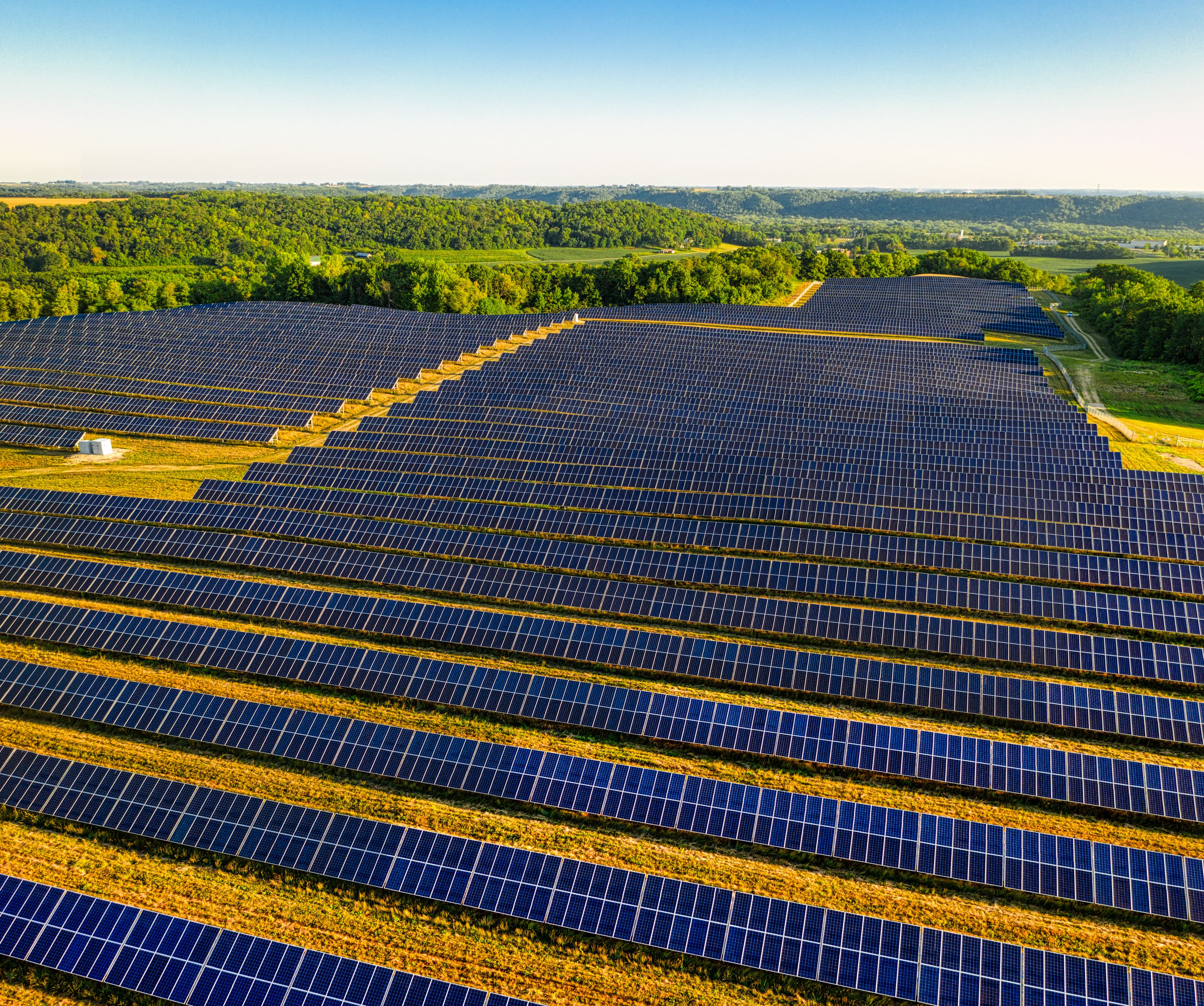
The U.S. is on track to install 86 gigawatts of new utility-scale power capacity in 2026, a figure that would shatter the previous single-year record of 53 gigawatts set just last year. According to the U.S. Energy Information Administration, 93% of that capacity will come from solar, wind, and battery storage. Solar alone accounts for 76.9 GW of projected additions, a 60% jump from 2025. For anyone still debating whether clean energy deployment has real momentum, this is the answer.
What makes this inflection point notable is the context surrounding it. Federal climate policy has been under sustained pressure, with subsidy structures contested and regulatory timelines in flux. Yet utilities and independent power producers are committing capital to renewables at ratios that would have seemed implausible a decade ago. The buildout is not happening because of policy tailwinds. It is happening in spite of headwinds, which tells you something important about where the underlying economics now sit.
Battery storage is the figure that deserves the most attention from founders. At 33.8 GW of projected additions, storage will represent 28% of all new capacity coming online this year. That is not a supporting role. That is a primary infrastructure layer being built in parallel with generation, and it signals that the grid-integration problem is being taken seriously at scale. For startups working in storage software, grid optimization, or demand-side management, the addressable market is expanding faster than most models assumed two years ago.
The compounding effect here is what investors should be pricing in. Each gigawatt of solar or wind added creates downstream demand for monitoring software, interconnection services, asset management tooling, and predictive maintenance infrastructure. The 2026 buildout does not just represent installed capacity. It represents a wave of operational complexity landing on grid operators, utilities, and project developers who are not yet equipped to manage it. That gap is where climate tech startups find durable, recurring revenue, not in the hardware itself.
Over the next twelve months, the pressure points will sharpen. Grid interconnection queues are already a bottleneck, with years of backlog at regional transmission organizations across the country. Expect software and services plays targeting interconnection workflow, permitting automation, and curtailment optimization to attract serious capital. The generation capacity is coming. The infrastructure intelligence layer to manage it is still being built. Founders who enter that gap now will be selling into a market that gets more urgent, not less, with every gigawatt that comes online.
 The Future FrontBe on the cover.Twice a month we put the people shaping what's next on our cover.Apply for the cover




