2026: The Year Warehouse Robotics Gets Real
Edited demos and pilot-stage promises won't cut it anymore. Warehouse buyers want proof, and the vendors who can't deliver are about to find out.
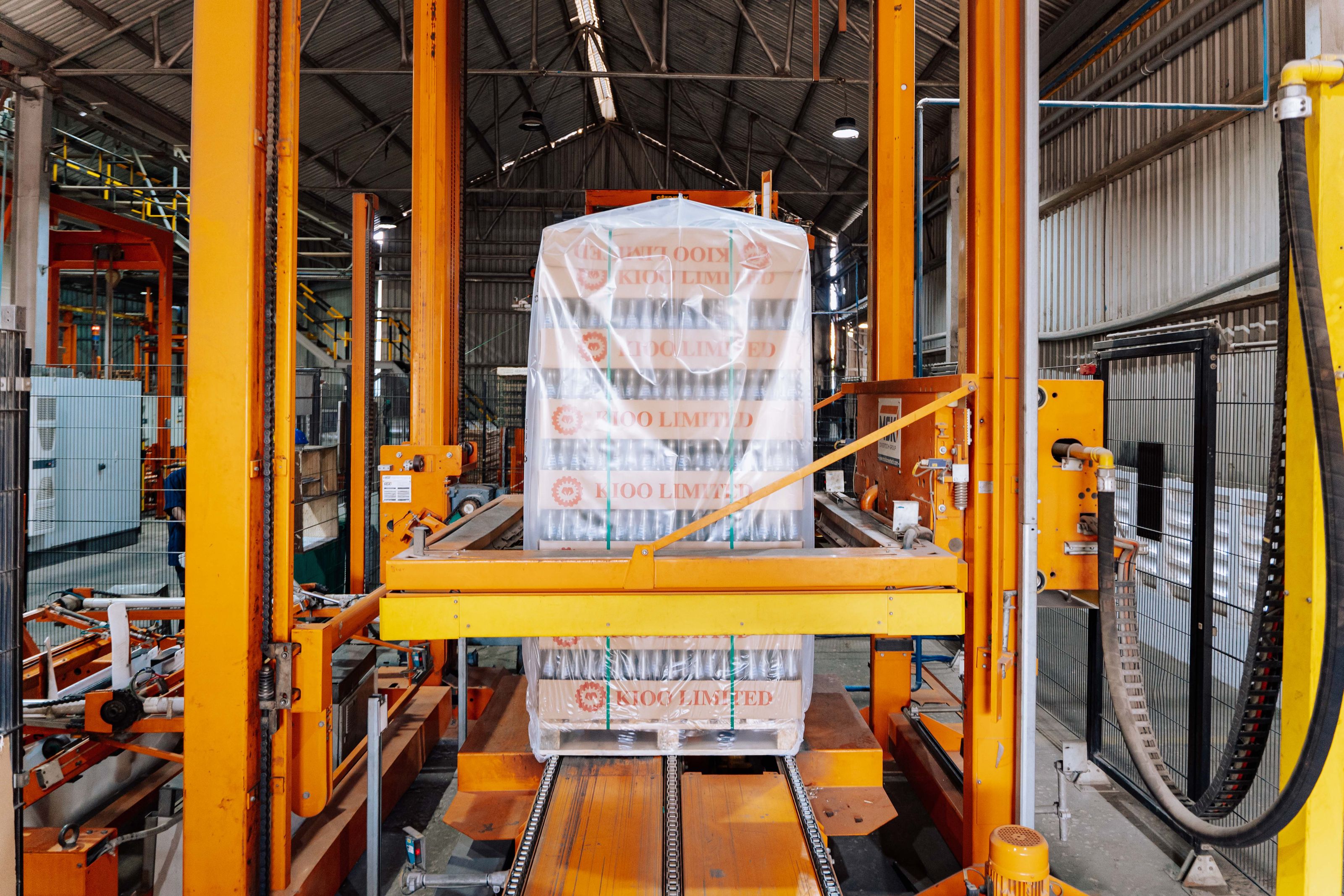
The warehouse robotics market is heading into its most consequential year yet, and not every vendor is going to make it through. Fuelled by relentless e-commerce growth, workforce shortages, and mounting pressure on fulfillment speed, the market is expanding fast, with AI, sensors, and vision technology driving deployment across industries from Asia Pacific to North America. But scale has a way of exposing what controlled demos conceal. In 2026, the industry's tolerance for unproven platforms is running out.
For years, procurement teams accepted polished videos and best-case pilot results as sufficient evidence. That era is closing. Quality professionals are now demanding validated proof that a robot performs reliably across damaged packaging, inconsistent lighting, and irregular material flows, the exact messy conditions that define real warehouse operations. This shift in buyer expectations is not a minor calibration. It is a structural change in how the market assigns value, and it is arriving faster than many vendors anticipated.
The market data reinforces why the stakes are so high. Autonomous mobile robots, robotic arms, and automated storage systems are being deployed at scale across logistics operations globally, with demand particularly concentrated in Asia Pacific and emerging economies. Investors have poured heavy capital into picking and sorting automation, with one segment alone accounting for 16.3% of total warehouse robotics market share. That level of capital concentration means underperforming platforms are not quietly shelved. They become very visible, very expensive failures.
For founders and investors, the implications are direct. Platforms still cycling through successive pilots without documented, repeatable performance data are carrying more risk than their valuations reflect. The buyers who matter, large operators managing high-volume fulfillment, are comparing vendors on uptime consistency, failure mode documentation, and total cost of ownership over time. ROI is no longer a projection on a slide deck. It is a condition of the contract. Vendors who cannot meet that standard will find the sales cycle lengthening until it stops entirely.
Over the next twelve months, expect validation requirements to harden into formal procurement criteria rather than informal preferences. Third-party testing, standardised reliability benchmarks, and transparent failure reporting will increasingly separate the fundable from the stranded. Operators who moved early on automation will begin publishing performance comparisons, creating reference data that new buyers will use to shortlist vendors. The robotics companies that survive this reckoning will not necessarily be the most technically ambitious ones. They will be the ones that built for the warehouse as it actually exists, not as it looks in a demo.
 The Future FrontBe on the cover.Twice a month we put the people shaping what's next on our cover.Apply for the cover




