2026 Is the Reckoning Year for Warehouse Robots
The warehouse robotics sector is hitting an inflection point where reliability metrics, not demo videos, will determine which vendors survive the next wave of enterprise scrutiny.
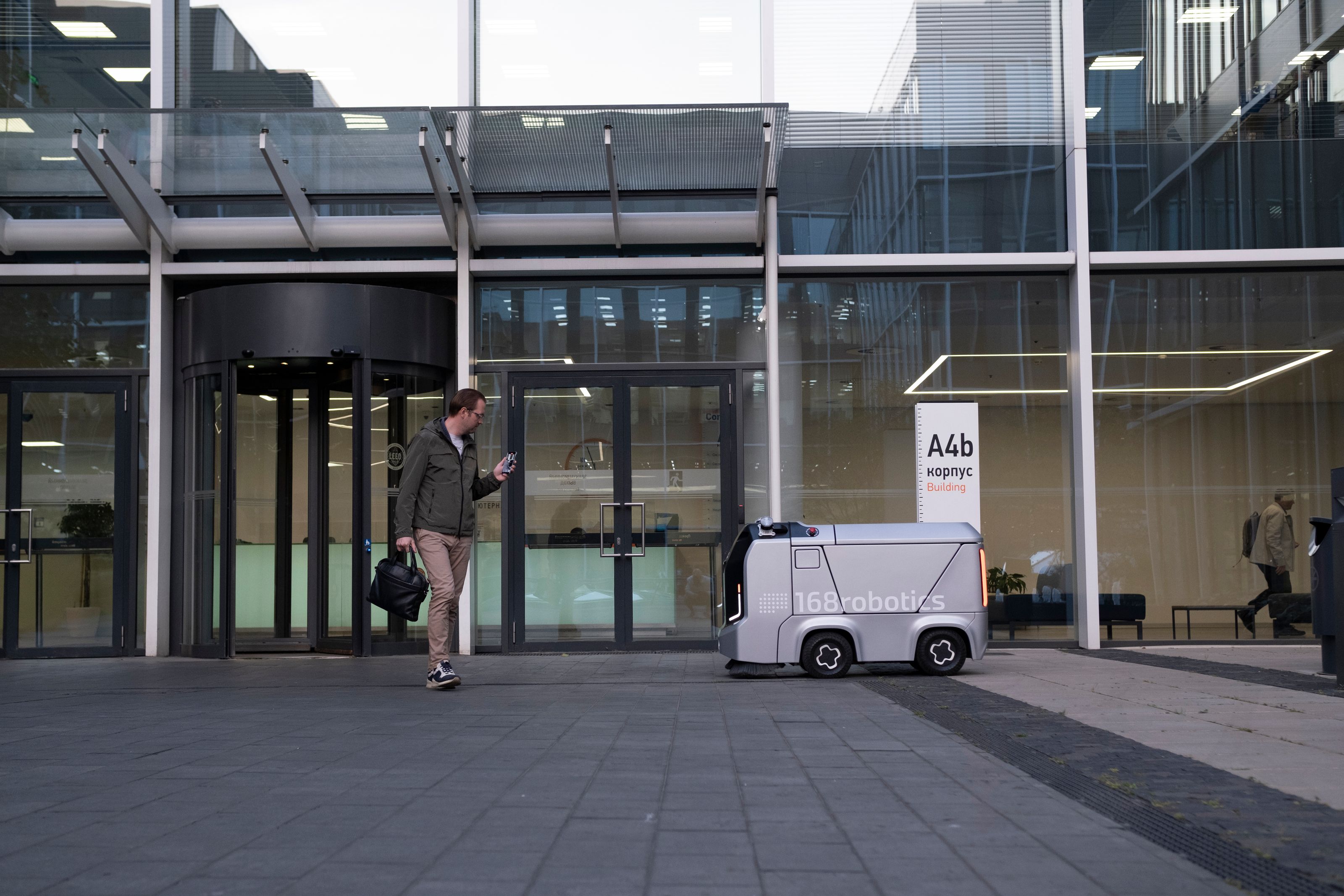
The warehouse robotics industry is about to find out which vendors were selling technology and which were selling PowerPoints. Procurement teams across logistics, retail, and manufacturing are no longer impressed by curated demos or throughput projections run in ideal conditions. Quality professionals are now demanding validated proof that a robot can handle damaged packaging, inconsistent lighting, and irregular materials at scale. The companies that cannot produce that evidence are facing a churn cycle that will move faster than most founders have modelled.
The shift has been building for two years, but 2026 is when it lands. Enough enterprise deployments have now logged enough real-world hours that buyers have genuine comparative data. The "as-a-service" model, which lowered the capital barrier for mid-market companies evaluating autonomous mobile robots and AS/RS systems, also lowered the switching cost. That changes the power dynamic entirely. Vendors who relied on long procurement cycles and high integration lock-in to mask underperformance no longer have that buffer.
The technical standards driving this shift are specific. Runtime validation, the continuous monitoring of software behaviour during live operation rather than only pre-deployment, is now a baseline expectation in serious RFPs. Systems that cannot trigger safe recovery mechanisms when anomalies appear mid-shift are being disqualified, not tolerated. On the infrastructure side, the move to Wi-Fi 6, 6E, and 7 is accelerating because older wireless standards are producing dropped connections and unpredictable robot performance at the device densities that modern warehouses require. These are not edge cases. They are table stakes.
For founders scaling robot fleets and investors underwriting automation capex, the implications are direct. Customer and investor pressure to demonstrate measurable quality performance, mapped against what the industry is calling the "vital few" KPIs across quality, cost, and service, is replacing theoretical ROI as the primary evaluation framework. A vendor who cannot produce unified quality documentation tied to real operational data is not just losing deals. They are signalling a maturity gap that sophisticated buyers now know how to identify. Consolidation is coming, and it will follow reliability scores, not funding rounds.
Over the next twelve months, expect validation standards to formalize further, with enterprise buyers and industry bodies pushing for common benchmarks that make cross-vendor comparison straightforward. Vendors who have invested in robust testing pipelines and real-time monitoring infrastructure will use those benchmarks as sales tools. Those who have not will find that the same standards become the mechanism of their displacement. The reckoning for warehouse robotics is not a market correction. It is a maturity milestone, and the companies on the right side of it will define the sector for the rest of the decade.
 The Future FrontBe on the cover.Twice a month we put the people shaping what's next on our cover.Apply for the cover




