$2.2 Trillion and Climbing: Solar Wins 2026
Global energy investment is hitting $3.4 trillion in 2026, and the founders who understand where the capital is actually landing will be the ones building the next decade's infrastructure layer.
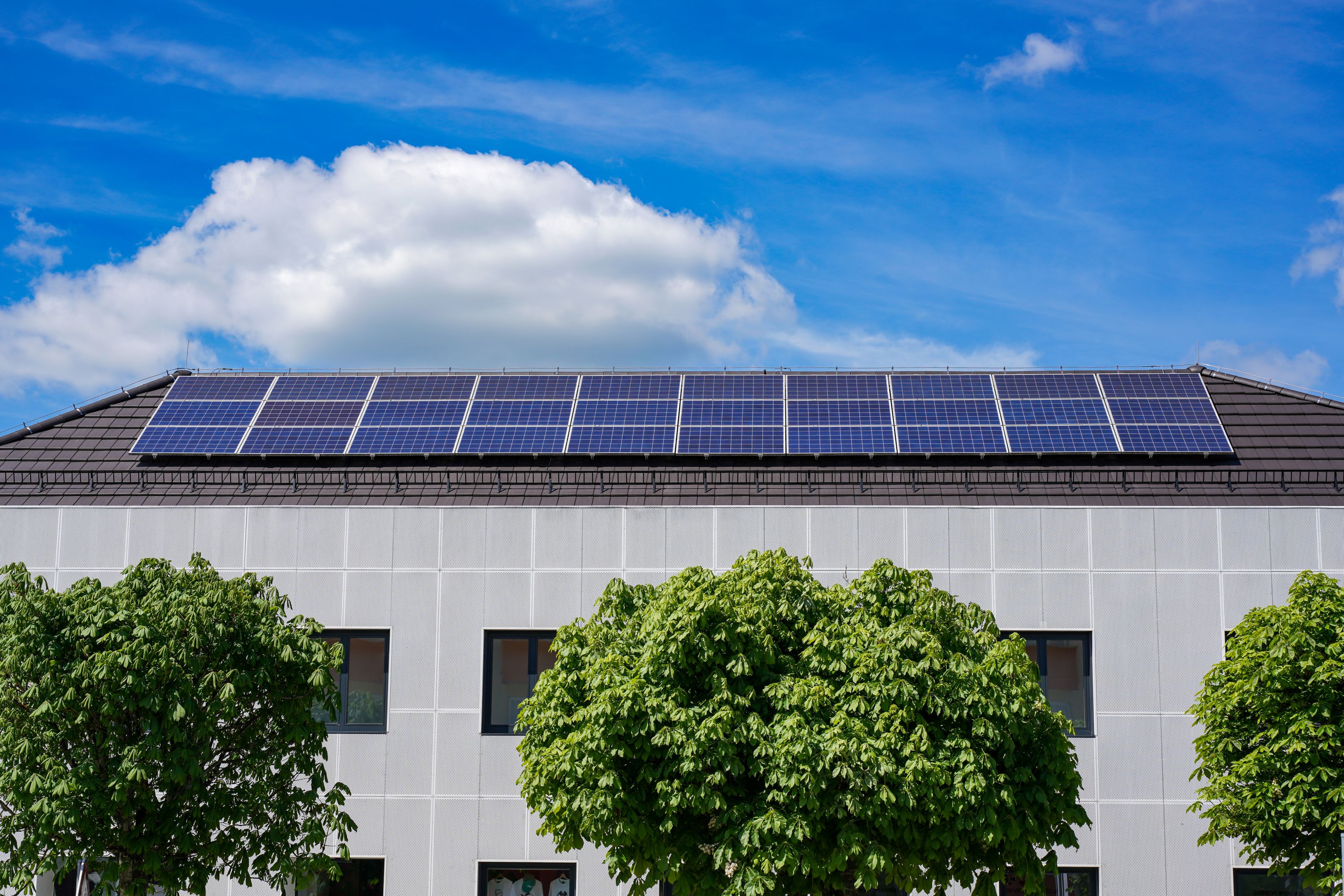
Global energy investment is on track to hit $3.4 trillion in 2026, a 5% increase on the prior year, with roughly $2.2 trillion of that directed at clean energy technologies including renewables, grid infrastructure, and battery storage. Solar is the undisputed frontrunner. By the end of 2025, global solar capacity had reached 2,392 GW, the largest share of any single renewable source, while wind added 158.7 GW in a single year, driven predominantly by Chinese deployment. These are not projections padded by optimism. They are deployment numbers, which makes them the only figures that actually matter.
What makes 2026 different from prior record years is where the confidence is coming from. Policy tailwinds in Europe and parts of Asia remain intact, but private and institutional capital is no longer waiting for government signals to move. Pension funds, sovereign wealth vehicles, and infrastructure-focused private equity are crowding into clean energy at a pace that is structurally reshaping project finance. India's solar capacity crossed 140.6 GW by January 2026, a milestone that would have seemed aggressive as a five-year target just half a decade ago. The speed of deployment is outrunning the frameworks built to govern it.
Battery storage is the pressure valve the system now depends on. Global battery storage capacity is forecast to reach 123 GW, and that number is already straining the upstream supply chains for critical minerals and inverter hardware. Meanwhile, total global renewable power capacity stood at 5,149 GW at the end of 2025, according to IRENA, with solar and wind together accounting for roughly 71% of that base. The concentration of capital in two technologies, while efficient, is creating pronounced gaps in the enabling infrastructure required to actually dispatch that power reliably.
For founders, the signal here is less about solar or wind themselves and more about the categories they are stress-testing as they scale. Grid software, long-duration storage, offtake financing platforms, and transmission optimization tools are all seeing demand pull that is being driven by project volume, not by grants or pilot programs. When $2.2 trillion is chasing deployment, the friction points in that deployment pipeline become venture-scale problems. Investors paying attention are already moving up the stack, from asset ownership toward the software and financial infrastructure that makes assets bankable.
The next 12 months will sharpen the winners considerably. As project pipelines in emerging markets expand, particularly across Southeast Asia and sub-Saharan Africa, the bottleneck will shift from capital availability to execution capacity. Developers who can close offtake agreements faster, integrate storage without blowing project economics, and navigate grid interconnection queues more efficiently will command premium valuations. The capital is already in the room. The competition now is about who can actually build.
 The Future FrontBe on the cover.Twice a month we put the people shaping what's next on our cover.Apply for the cover




